
 By Mary J. Carey
If you have ever tried to edit a file in Portable Document format or PDF, you have almost certainly found it to be much more difficult than editing a Microsoft Word or Google Doc document. This is because PDFs were never intended to be edited at all. When Adobe introduced the PDF specification in 1993, the very idea that it would be a virtual expression was the on-screen equivalent of the hard copy. Like any printed document, it was not intended to be modified.
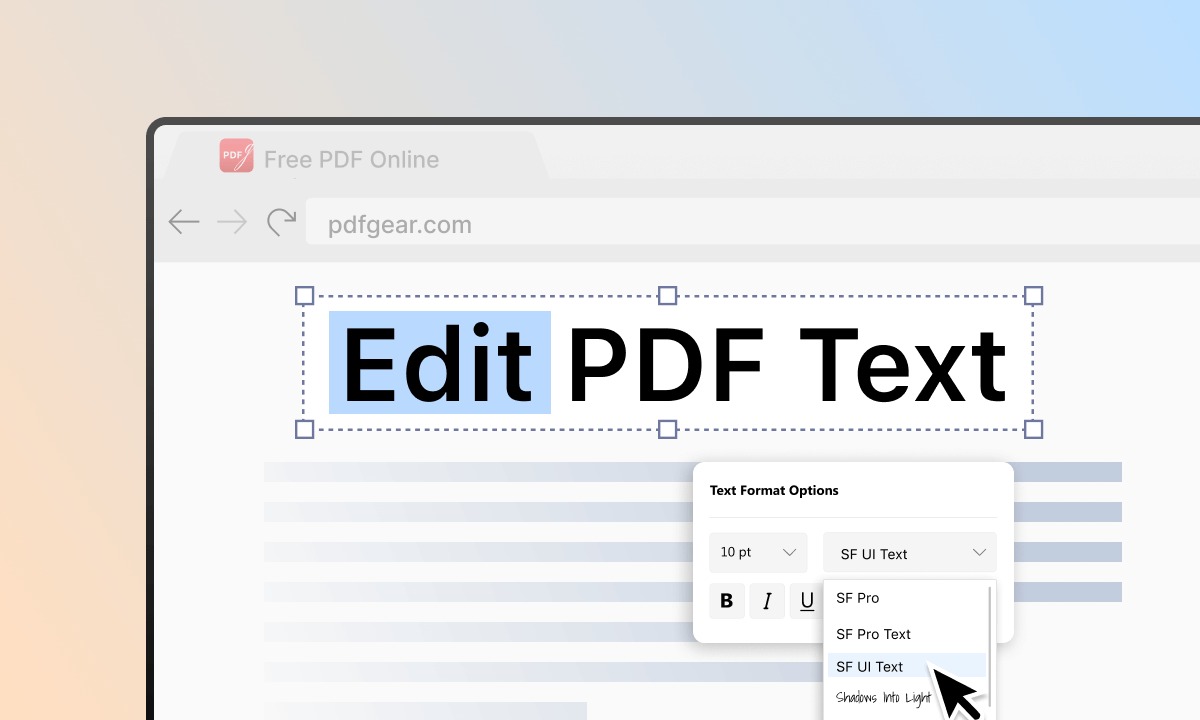
It didn’t take long for people to correct typos, replace old product logos with new ones, and even change the fonts and layouts of their PDFs. Therefore, productivity software manufacturers have started providing PDF editing tools. Even with these tools, you can’t edit a PDF with the same ease and flexibility as a word processing document, and you probably never will. But don’t worry. You can edit PDFs and we will tell you how.
Why are PDFs so difficult to edit?
As a Format, PDF was developed before people used web browsers and, as mentioned earlier, it is based on the idea of a printed page. This means that you cannot, for example, insert a few lines of text in the middle of a first page and let the remaining text flow smoothly into the second page as you can in a document or a DOCX file. To pack new text into a PDF instead, you need to change the font size on the first page or resize the field containing the text. I have some tips for this in a after section, but don’t expect perfect results.
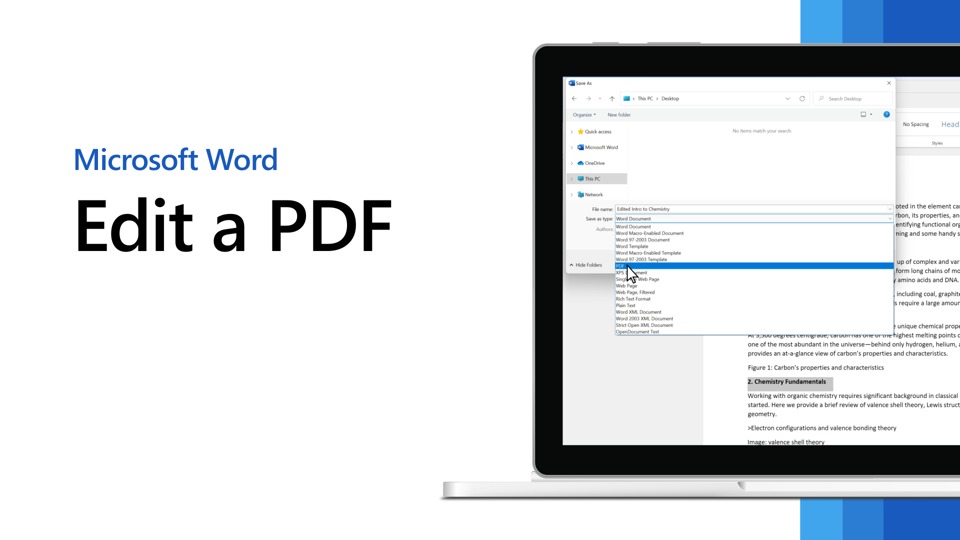
While many applications are called PDF editors, you can’t really edit the text and graphics in a PDF. You can only add comments to the PDF-either framed sticky notes, or lines and text boxes that appear on a layer above the actual content of the PDF. When you add a comment to a PDF, it’s like placing a piece of paper under a sheet of glass and writing comments on the glass. A comment does not make permanent changes to the text, for example the deletion of sensitive data, and anyone using a free PDF viewer such as Adobe Acrobat Reader or Preview on macOS, can edit or delete the comments you have made. With that in mind, at the end of this article, I’m sharing a roundabout way to permanently embed comments in a PDF file.
PDF editing with high-priced tools
Remember that you are always faced with limitations inherent in any PDF editor you choose. For example, the text in a PDF is usually contained in blocks that include one or more paragraphs. When you add additional lines of text to a block, the block under the current block does not move down to make room for the added text. In a word processor, when you add lines to a paragraph, the rest of the document is moved downwards. In a PDF, the added lines overlap with the text of the paragraph below, so you are forced to move the next paragraph to the bottom of the page if you have room for it, or to delete text from it to make room for the added text.
Adobe Acrobat has a spacious user interface with finely tuned controls for editing text and images. Open the PDF file you want to edit and select Edit from the Tools menu, unless you are using The classic Acrobat user interface. Blue boxes appear around each PDF element of the current page, both text and graphics. To correct an error in the text, simply click in the text box and start typing. Below is an example of how to use Acrobat DC to edit the text of a header.
Affordable PDF editing tools
The same basic principles apply to more economical applications such as PDF-XChange Editor.
When the PDF is open in the application, click Edit on the Start toolbar, then select the type of content you want to edit, whether it is the entire content of the page, text, images or shapes.
Below is an example of what it looks like to replace or edit images in a PDF file using the PDF-XChange editor.
The problem with inexpensive PDF editing tools: fonts
A subtle problem with this type of editing concerns fonts. If the font used in the original PDF is not also installed on your system, the PDF editor may use a different font when you insert or edit text. Acrobat and Nitro Pro are smart enough to use a similar font, but an attentive reader will see the difference and maybe he will realize that you have modified the original PDF.
The only Windows-based PDF editors that come close to me are EaseUS PDF Editor, PDFelement and SwifDoo PDF. Like PDF Expert, these applications try to use the font already embedded in the PDF when you edit or paste text. But in a PDF I tested, when I was trying to insert text between regular lowercase letters, all three applications formatted the added text in lowercase and did not provide menu options that allowed me to select lowercase instead. All three probably use the same PDF processing software internally, although I couldn’t find any references to the source. The small-cap problem could have been worse. For example, when I tried to add text to the same file in PDF Studio 2024, the entire page was converted to small capital letters. You may have to experiment to find the application that suits you best.